Case Studies
From Control Gaps to a Clear Roadmap: How a Candy Manufacturer Audited Its Trade Promotion Environment
3 minute read

2 minute read
EXECUTIVE SUMMARY: A North American food manufacturer was facing persistent dust accumulation despite existing dust collection systems. Catena conducted an engineering assessment to identify the root causes of dust escape, evaluate system performance, and suggest short- and long-term improvements.
Project at a Glance:
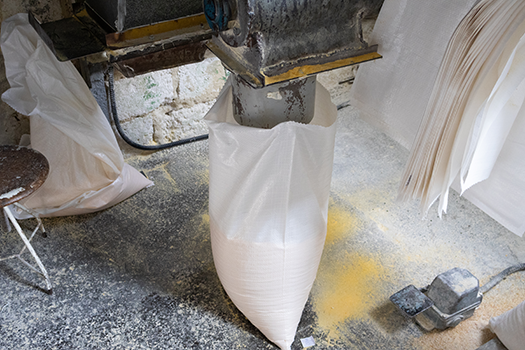
The client was experiencing dust buildup in one of their manufacturing facilities, including Flour Milling, the Bran Scale Area, and Bran Dryer Discharge operations. Although dust collection systems were in place, there were several problems that needed addressing:
Catena deployed a dust-control engineering expert to assess the challenges and provide recommendations across the client’s highest-risk production areas.
This included:
“I’m impressed with the amount of detail they were able to capture during their time onsite,” said the client’s EHS Site Manager.
Catena’s SME brought more than 40 years of process engineering experience in food manufacturing and large-scale bakery operations, with deep expertise in dry material handling, dust safety, mitigation, and National Fire Protection Association (NFPA) compliance. Their background included more than a decade on the NFPA 61 committee, leadership of a $20M North American dust safety compliance program across 11 sites, and plant-wide dust system redesign work focused on reducing fugitive dust from equipment interfaces, conveying systems, and silo operations.
| Before Assessment | After Assessment |
|---|---|
| Recurring dust buildup with limited root-cause visibility. | Catena identified the Bran Scale Area as the highest-priority dust source and tied it to specific equipment, containment, and airflow issues. |
| Heavy reliance on manual cleaning to maintain safe production conditions. | Targeted containment, maintenance, and system improvements reduced dependence on reactive housekeeping. |
| Capital needs were difficult to prioritize without a structured technical assessment. | Catena delivered recommendations for immediate fixes and longer-term dust control investments. |
“There are some new ideas we never thought of when looking at our dust control system, and it sets us up well as we go into next-quarter planning on where to invest,” said the client’s Site Leader.