Articles & Perspectives
What Sanitation Gaps Raise Recall Risk in Food Plants
6 minute read

4 minute read
Workforce shortages continue to challenge food and beverage manufacturers, affecting production capacity, operational efficiency, and food safety. For multi-plant organizations, these challenges are especially complex as facilities compete for skilled labor while managing fluctuating production demands.
Addressing workforce gaps requires more than filling open positions. Manufacturers need a strategy that strengthens recruitment, improves retention, and aligns workforce planning with operational goals.
According to the National Association of Manufacturers’ Q3 2026 survey, 54.9% of manufacturers identified workforce challenges among their biggest concerns, up from 46.9% the previous quarter.
Food manufacturers face additional challenges, including demanding shifts, physically intensive roles, specialized food safety requirements, and competition for workers from other industries.
An aging workforce and evolving skill requirements are also contributing to shortages. It’s estimated that up to 3.8 million manufacturing positions will need to be filled by 2033, with approximately 1.9 million potentially going unfilled.
Meanwhile, increasing automation and digital technologies are creating demand for employees with both traditional manufacturing expertise and new technical capabilities.
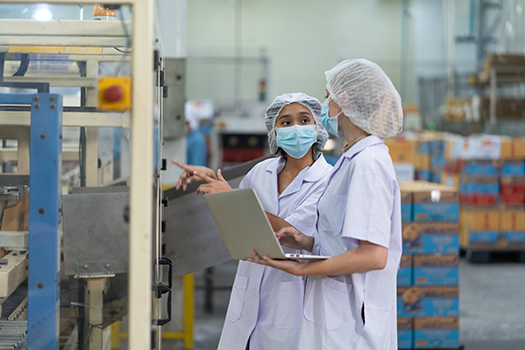
Workforce gaps extend beyond recruitment, creating operational challenges that affect productivity, profitability, and compliance.
For multi-plant manufacturers, shortages at one facility can also create downstream disruptions, requiring production shifts, schedule adjustments, and additional transportation costs.
Traditional recruiting often focuses on filling immediate vacancies rather than addressing long-term workforce needs.
Decentralized hiring can create additional inefficiencies for manufacturers. Facilities may compete for the same candidates, rely on overlapping staffing agencies, or establish inconsistent compensation structures.
Agile talent acquisition helps manufacturers adapt to changing production demands through three strategies:
Building flexible staffing models. Temporary and contract labor can help manufacturers manage seasonal demand, production fluctuations, and unexpected vacancies. Establishing staffing partnerships before labor needs become urgent can improve responsiveness.
Investing in employee upskilling. Cross-training, equipment certifications, and supervisory development can help employees transition into new roles while reducing dependence on external hiring.
Using workforce analytics. Analyzing turnover, vacancies, overtime, and employee skills across facilities helps manufacturers anticipate staffing needs, identify recurring challenges, and improve workforce planning.
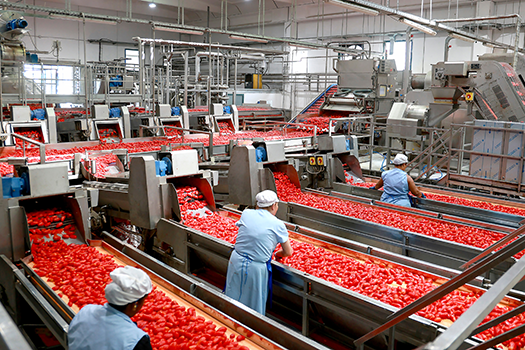
Recruitment alone cannot solve persistent workforce shortages. Manufacturers must also understand why employees leave and identify opportunities to improve the employee experience.
Clear career advancement opportunities, mentorship programs, and stronger frontline leadership can increase employee engagement and reduce turnover.
By improving retention, manufacturers can reduce recruitment costs while preserving institutional knowledge and operational continuity.
Related Article: Keys to Attracting & Retaining Top Talent in a Competitive Market
A coordinated approach to workforce planning can improve visibility and reduce staffing inefficiencies across facilities.
Manufacturers should focus on:
Related Case Study: From Transactional to Transformational: Building an HR Function for Growth
External support can be valuable when manufacturers experience persistent turnover, struggle to fill critical positions, expand operations, or need a coordinated workforce strategy across multiple facilities.
Catena Solutions works with food and beverage manufacturers to identify workforce challenges, improve processes, and develop strategies that align people and operational priorities.
Agile talent acquisition combines flexible staffing, employee development, workforce analytics, and strategic recruiting partnerships to meet changing production needs.
Facilities may compete for the same workers, creating inconsistent staffing levels, higher labor costs, and operational inefficiencies.
Understaffing can create gaps in sanitation, employee training, monitoring, and compliance documentation.
Manufacturers can improve retention through career development, training, mentorship, stronger leadership, and improvements to workplace culture.
External support may help when organizations experience persistent turnover, recruitment challenges, expansion, or inconsistent workforce planning across facilities.